Signs your pipes may need replacing
One leak is a repair. A pattern is a decision.
Brown or orange water
Rust flakes from the inside of old steel pipe. It often shows first after the water has sat unused overnight.
Low pressure at several fixtures
Galvanized pipe corrodes inward, so a pipe that once carried a full flow slowly narrows to the width of a pencil.
Repeat pinhole leaks
Each patch moves the stress to the next weak spot. Three leaks in a year usually means the rest of the line is similar.
Gray plastic pipe
Polybutylene was installed in US homes from roughly the late 1970s to the mid 1990s. It can fail at fittings without warning.
Copper or PEX: the honest comparison
Both are good choices for a repipe. The right one depends on your house, your water and your budget.
| Factor | Copper | PEX |
|---|---|---|
| Install effort | Soldered joints, more cutting and labor | Flexible tubing, fewer joints, often less wall opening |
| Material cost | Higher and varies with the metal market | Lower |
| Lifespan | Decades, often 50 years or more in good conditions | Long, though newer, so history is shorter |
| Water chemistry | Aggressive water can pit and leak over time | Does not corrode, but is not for sunlight exposure |
| Freeze tolerance | Can burst when frozen | Expands somewhat but can still split |
| Where it fits | Exposed runs, outdoor-adjacent and some buyers' preference | Walls, floors and crawlspaces where tight bends help |
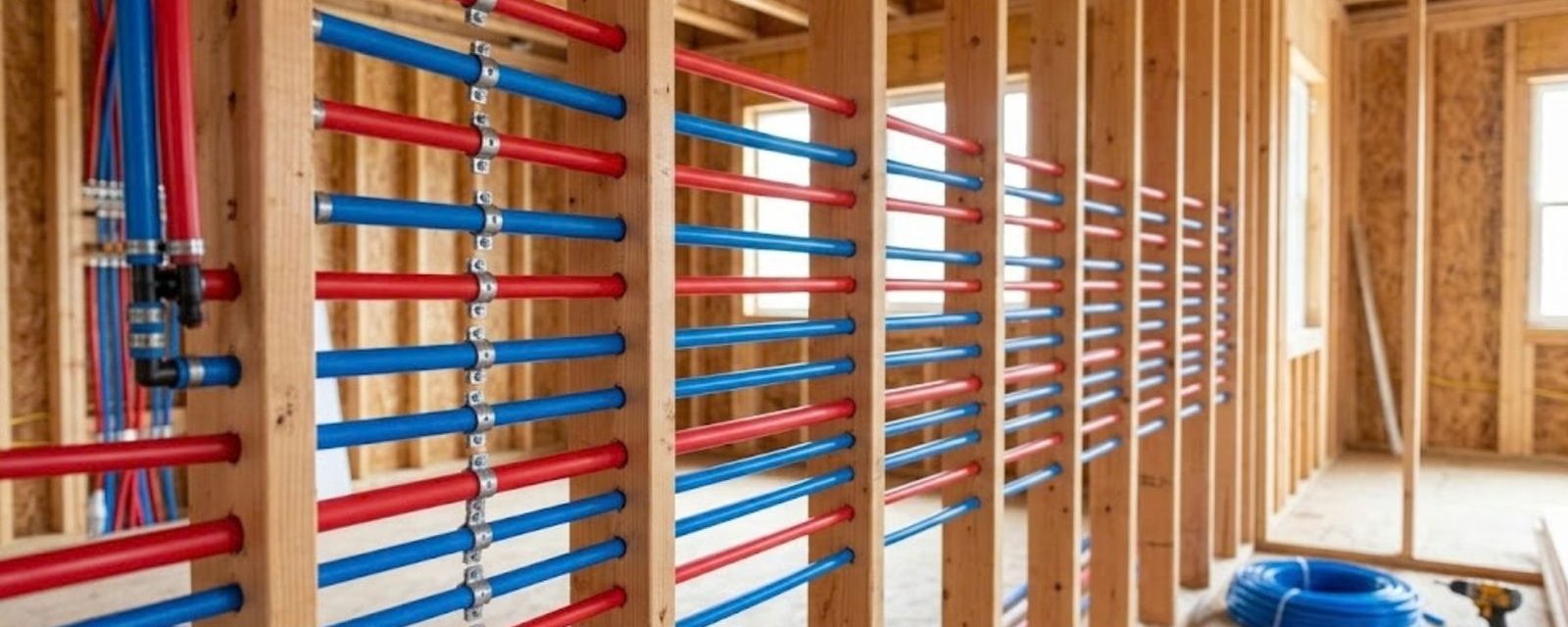
Plastic and metal can be mixed, with PEX in the walls and copper at the water heater and exposed spots. Ask us about your layout.
Third leak in a year?
That pattern is worth a conversation. Call and we will talk through repair versus repipe.
Old pipes outside the house too
Midvale City's own water plan describes many distribution pipes as old, undersized and possibly leaking. The city replaces galvanized service laterals with copper or poly when they leak and during pipeline projects, aiming for about 1,000 feet of pipeline per year.
The practical point is the line from the meter to your house is generally the property owner's concern. If your inside pipes are galvanized and the lateral is too, repiping one without checking the other can leave a weak link. Call the city's Public Utilities office about the status of your service line before you finalize a plan, and see our water line repair page if the problem is outside the house.
How a repipe goes
Repiping is disruptive, but a good plan keeps water off for as short a time as possible.
- 1
Walk and plan
We map every fixture, the main shutoff and the water heater, then pick pipe routes.
- 2
Open access
Small drywall cuts or attic and crawlspace access let us run new lines.
- 3
Run new lines
New pipe goes in beside the old, with fittings kept out of hard-to-reach spots.
- 4
Connect and test
Fixtures are reconnected and the system is pressure tested before closing walls.
- 5
Patch and permit
Access holes are closed up, and we ask Midvale Building and Safety about permit and inspection needs.
Patching leaks or repiping
Both are reasonable at different stages. This is how to tell where you are.
Keep patching
- One leak in otherwise sound pipe
- Pipe is copper or newer plastic in good shape
- Pressure and water color are normal
- You plan to sell soon and the pipes are not failing
Plan a repipe
- Galvanized or polybutylene throughout
- Three or more leaks in a year
- Rusty water and falling pressure
- Planning a remodel that will open walls anyway
What drives the cost of repiping
House size matters, but so does how hard the walls are to reach.
Insurance may pay for water damage from a sudden burst, but usually not the pipe itself or wear. Keep photos and receipts if you file.
Related plumbing work
If you are not sure the pipes are the problem, a leak detection visit can find the source before you commit to a bigger job. For a single failed section, burst pipe repair may be all you need.
Where this guidance comes from
New piping follows the International Plumbing Code (IPC) and the pipe maker's guidelines for supports and joints. Whole-house repipes are permit work in many cities, so ask Midvale Building and Safety.
Repiping questions from Midvale homeowners
Galvanized steel is gray, threaded and attracts a magnet. A scratch shows silver-gray metal. Copper looks orange-brown and is not magnetic. Gray plastic with a PB stamp is polybutylene.
Many homes take a few days, depending on size and access. We plan to keep water off as little as possible and tell you the schedule before we begin.
PEX is approved for potable water in most places, and we can confirm what applies to your project with Midvale Building and Safety. Use pipe rated for drinking water and keep it out of direct sunlight.
Ask Midvale Building and Safety. Midvale requires permits for many types of work, and we can help sort out what applies and who files.
If only one tap or only the hot side is brown, it is probably your plumbing. If every tap in the house runs rusty at once, call Midvale Public Utilities at 801-567-7239.
Yes. A partial repipe works well when one section is bad, such as a bath wing or an attic run, and the rest is sound copper. We also serve homes around the valley, including the Sandy area, where 1970s to 1990s houses may have supply lines worth checking.