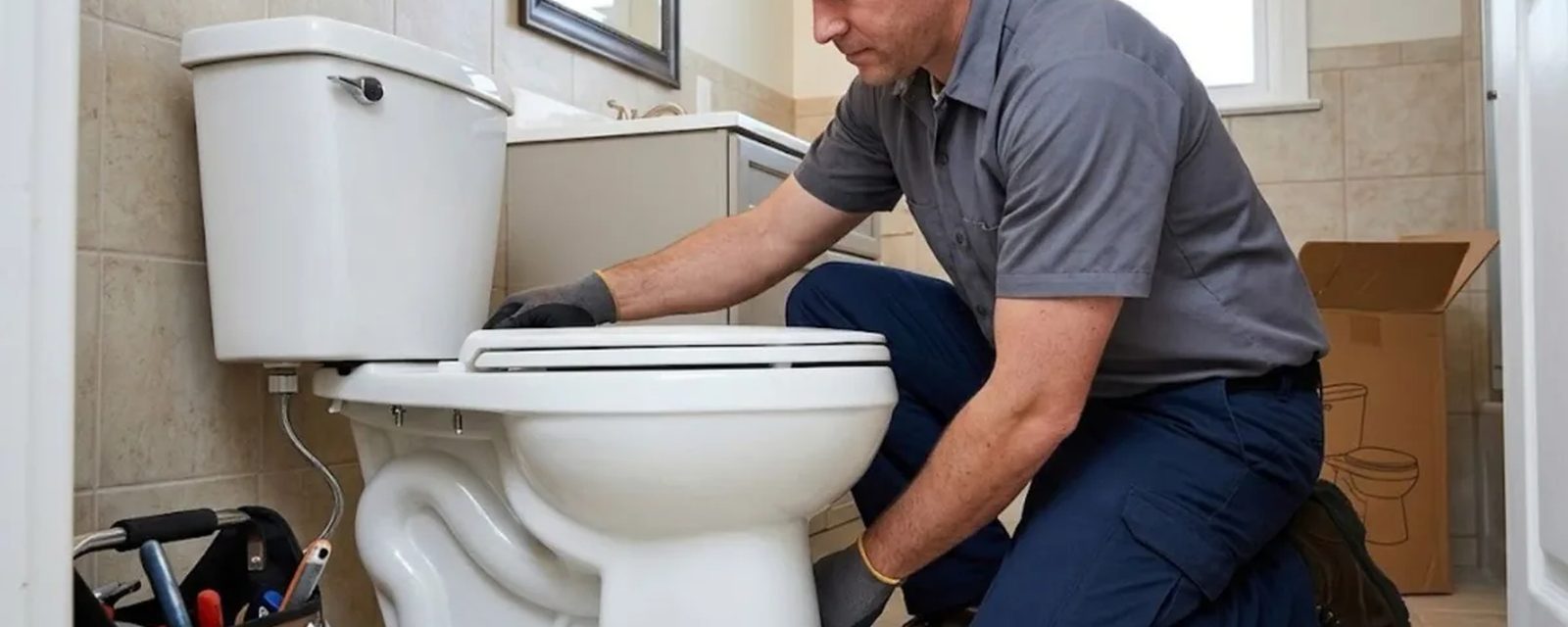
Is it the fill valve, or the flapper?
A running toilet has two common causes, and they look alike. If water leaks from the tank into the bowl, the flapper at the bottom is not sealing. If water keeps entering the tank and spills down the overflow tube, the fill valve is not shutting off.
Take the lid off and look. A tank level above the top of the overflow tube points to the fill valve. A tank level that sits normal but drops slowly points to the flapper.
The EPA suggests a dye test for silent leaks. Put a few drops of food coloring in the tank, wait 10 minutes without flushing, and see if color appears in the bowl. If it does, the flapper is leaking and a new fill valve will not fix it.
Tools and parts to gather before you start
Most home centers carry universal fill valves that fit nearly any tank. Check these before you shut off the water.
- A universal fill valve sized for your tank height
- A new braided supply line, 3/8 inch compression, if the old one is stiff or crusty
- An adjustable wrench or channel-lock pliers
- A small sponge and a towel for the last inch of water
- A bucket and a flat screwdriver
A new supply line costs little and is worth replacing at the same time. Old lines get brittle at the connection and are one of the more common hidden leaks under a toilet.
Not sure it is the fill valve?
Call our 24/7 line and describe the sound. Licensed and insured plumbers, clear price before work starts.
Replace the fill valve in five moves
Take your time and keep the towel handy.
- 1
Shut off and drain
Close the wall valve, flush, and sponge out the remaining water in the tank.
- 2
Remove the old valve
Loosen the supply nut, unscrew the locknut under the tank and lift the valve straight out.
- 3
Seat the new valve
Set it in the hole, hand-tighten the locknut and set the height as the instructions say.
- 4
Reconnect and clip
Attach the supply line, then clip the refill tube to the overflow tube.
- 5
Test
Open the valve slowly, check every joint, flush twice and watch the shutoff level.
Hand-tight plus a quarter turn is enough on the plastic nuts. A cracked tank from overtightening is the most common way this repair goes wrong.
Getting the water level and height right
Every fill valve has a marked critical level line. The top of the valve must sit above the top of the overflow tube by the distance the instructions give, usually about 1 inch. Too low and the valve can siphon tank water back into the supply. Too high and it may never shut off.
Set the water level about 1 inch below the top of the overflow tube. If the valve has an adjustment screw or a float clip, use it in small steps and flush between each change.
The refill tube should aim into the overflow tube and stop above the water line. If the end of the tube dips into the tank water, it can pull water back out through the valve.
Why a stuck fill valve gets noticed in Midvale
Midvale City meters every connection, reads them monthly and has replaced all its meters with radio-read units over the past ten years. The city's water conservation plan says monthly scans of the meter data flag continuous flow and unusually high usage.
A fill valve that never fully closes can keep a trickle moving all day. That is the kind of constant flow a monthly scan is designed to catch, and it also shows up on your own bill as water you never meant to use.
If you get a notice or see an odd bill, check the toilet first. Look at the tank, listen for hissing and do the dye test. For leaks in the city line or on the street side of the meter, call Midvale Public Utilities at 801-567-7239 Monday to Thursday, or Public Works at 801-567-7235 for a water emergency.
Common fill valve problems and fixes
Most trouble after a swap is minor and fixable.
| Problem | Likely cause | Fix |
|---|---|---|
| Hissing after flush | Valve not seated or debris in the seal | Flush the line, clean the diaphragm, reseat |
| Tank overfills | Float or valve set too high | Lower the water level setting |
| Leak at the tank bottom | Washer not seated or nut loose | Drain, reseat the washer, tighten a quarter turn |
| Slow refill | Partly closed wall valve or clogged screen | Open the wall valve and check the inlet |
| Phantom flush | Flapper leaking, not the fill valve | Replace the flapper |
Do it yourself or call a plumber
A fill valve is a good first repair. Some situations are better handled by a professional.
Good DIY candidate
- Standard two-piece or one-piece toilet
- Wall shutoff valve turns freely
- Tank is intact with no cracks
- You have an hour and basic tools
Call a licensed plumber
- Wall valve is seized or leaks when turned
- Water is leaking from the floor or the base
- The tank has cracks or loose bolts
- You see mineral build-up that blocks the inlet
Signs the problem is bigger than the fill valve
If a new valve does not stop the running, the issue may be a worn flapper or a flush valve seat that has corroded. Water that seems to disappear with no sound can also come from a leak elsewhere in the house. A leak detection visit finds hidden leaks that a tank repair never will.
A toilet that wobbles, leaks at the floor or has a damaged wax ring needs more than a fill valve. For anything beyond the tank, our toilet repair page lists what we handle, and we serve homes across Midvale and nearby towns including Sandy.
Fill valve questions from Midvale homeowners
Most people finish in 30 to 60 minutes on a first try. The slowest parts are draining the tank, loosening old nuts and adjusting the water level.
Check the flapper and the water level. If the level sits above the overflow tube, lower it. If the level is normal but still drops, the flapper or flush valve seat is leaking.
Yes. Every connection in Midvale is metered, and a constantly running toilet adds usage month after month. The city also scans meter data for continuous flow, so a stuck valve is the kind of problem that can get flagged.
A fill valve swap is a minor repair. For work that goes beyond that, such as moving a toilet or changing pipes, ask Midvale Building and Safety whether a permit applies.
No. Tank height and the shank thread vary, but a universal valve with an adjustable body fits most standard tanks. Bring the old one to the store if you are unsure.
Call Midvale Public Works at 801-567-7235 for a water emergency, press 0 and the answering service reaches the on-call employee. Inside the house, call a plumber.